Never Miss an Event – View Our Calendar

Blog

  • Exploring “The Other Oregon”: A Forgotten Landscape Uncovered


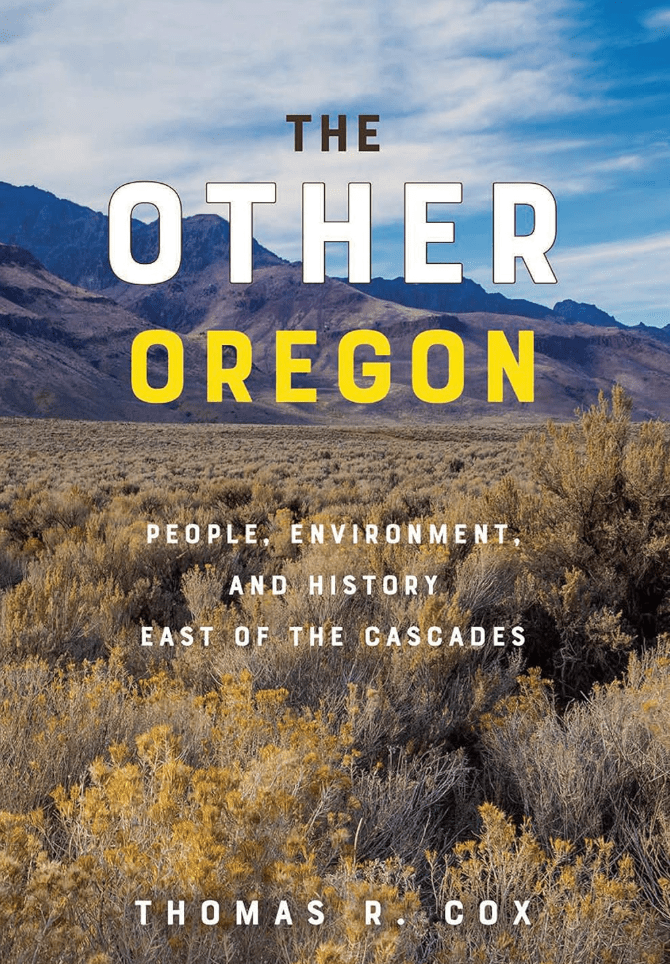
    When people think of Oregon, lush rainforests, dramatic coastlines, and Portland’s urban charm often come to mind. But Thomas R. Cox’s The Other Oregon: People, Environment, and History East of the Cascades invites us to look beyond the well-trodden western side of the state and discover the complex, often overlooked story of eastern Oregon.

    In this sweeping regional history, Cox paints a vivid picture of the arid lands east of the Cascade Range—a region shaped as much by its isolation and rugged beauty as by its people’s efforts to thrive in it. From Native American stewardship to ranching, mining, and federal land policies, Cox unpacks how economic, environmental, and political forces have converged to define this “other” Oregon.

    One of the book’s strengths is how it blends environmental history with social and political analysis. Cox doesn’t just catalog events; he explores how relationships between people and land evolved under pressure-from westward expansion to droughts, wars, and industrial shifts. His deep research and narrative style bring to life the settlers, indigenous communities, and conservationists who each played roles in shaping this landscape.

    Reading The Other Oregon is a reminder that histories aren’t just made in cities or along coastlines. They unfold in high deserts, ranchlands, and river valleys too. Cox’s work is more than a regional history—it’s a call to recognize and respect the complexity of rural spaces and the often unheard voices of those who live there.

    Whether you’re a student of history, an environmentalist, or just someone curious about the American West, this book will leave you with a deeper appreciation of eastern Oregon and a more nuanced understanding of the balance between people and place.

    Get the Book here: https://amzn.to/3HnfMUb

    Or visit our BookStore: https://vanportoregon.com/amazon-bookstore/

  • It Happened In Oregon


    Stories That Shaped the Beaver State

    If you’ve ever been curious about the rich, rugged, and often surprising history of Oregon, It Happened In Oregon by James A. Crutchfield offers an engaging doorway into the past. Part of the popular It Happened In series, this book brings together some of the most fascinating episodes and personalities that have shaped the Beaver State into what it is today.

    Crutchfield, a respected historian and storyteller, doesn’t just recount dates and facts—he brings Oregon’s past to life. From dramatic natural disasters and pioneering feats to curious oddities and legendary figures, each chapter focuses on a specific event or individual that left a mark on the region. You’ll read about explosive volcanoes, gold rush chaos, haunted lighthouses, and the brave souls who settled a wild frontier.

    Whether you’re a lifelong Oregonian, new resident, or just someone with a love for regional American history, this book offers something for everyone. It’s perfect for travelers, educators, students, or anyone looking to connect with the deeper stories that often go untold in traditional textbooks.

    Why read It Happened In Oregon?

    Short, accessible chapters make it easy to read on the go

    Offers a unique mix of historical depth and narrative storytelling

    Highlights both well-known and overlooked events in Oregon’s history

    Ideal for history buffs, armchair travelers, and curious minds

    Crutchfield reminds us that history isn’t just about what happened—it’s about who made it happen, and how it continues to shape the world around us.

    Where stories live, and readers belong. Explore your next chapter at Vanport Bookstore : https://vanportoregon.com/amazon-bookstore/

    Or get the book directly from here: https://amzn.to/4mHRowt

  • A Wild Ride Through Portland’s Past: Reviewing Storied & Scandalous Portland, Oregon


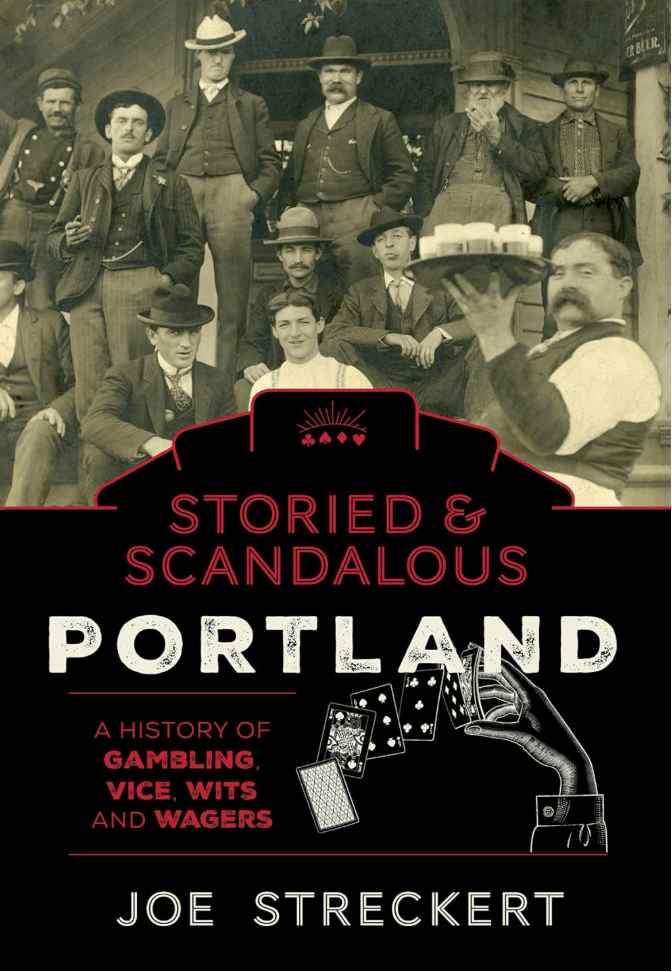
    If you think Portland’s weirdness started with food trucks and quirky TV shows, Joe Streckert has news for you. In his book Storied & Scandalous Portland, Oregon: A History of Gambling, Vice, Wits, and Wagers, Streckert digs deep into the city’s smoky past, unearthing tales of mischief, mayhem, and the colorful characters who made Portland what it is today.

    This isn’t your typical history book. Streckert, known for his engaging writing and deep love for Portland’s eccentricities, tells the city’s story through its vices, gambling dens, brothels, con artists, and hard-drinking politicians. It’s a book that embraces the idea that history isn’t just dates and dusty documents-it’s about people, personality, and, in Portland’s case, plenty of scandal.

    What makes the book shine is its balance between entertainment and education. You’ll meet legendary figures like Bunco Kelley, the infamous shanghai artist who kidnapped people for ship crews, and follow the evolution of Portland’s underground from 19th-century opium dens to mid-century speakeasies. Streckert writes with wit, but never loses sight of the broader social and historical context.

    Whether you’re a history buff, a true crime aficionado, or just a Portlander curious about your city’s shadier roots, Storied & Scandalous delivers. It’s the kind of book that makes you want to wander through Old Town and imagine what once happened behind those brick façades.

    A must-read for anyone who enjoys a good story, a little scandal, and a fresh take on Portland history. Joe Streckert proves that the City of Roses has always had a wild streak and he tells it with flair.

    Get the book here: https://amzn.to/4mLmd3h

    BOOKSTORE: https://vanportoregon.com/amazon-bookstore/

  • Unearthing Forgotten Stories: Exploring Ghost Towns of the Pacific Northwest


    If you’ve ever wandered off a forest road and stumbled across a crumbling foundation or rusted-out mine shaft, you know the strange magic of ghost towns. These remnants of boom-and-bust settlements whisper forgotten stories from the Pacific Northwest’s wild past—and a new book is helping to bring those voices back.

    In Ghost Towns of the Pacific Northwest: Your Guide to the Hidden History of Washington, Oregon, and British Columbia, author Philip Varney (with contributions from photographer John Drew) invites readers on a journey into the shadows of history. This is no dry historical record, it’s a vivid, photo-rich travel companion designed for curious adventurers, amateur historians, and weekend road-trippers alike.

    More Than Just Empty Buildings

    This book covers over 50 ghost towns and former mining hubs, each with its own backstory of ambition, collapse, and resilience. You’ll visit the skeletal remains of gold rush settlements in British Columbia, explore the weather-worn logging towns of the Olympic Peninsula, and learn about once-bustling Oregon communities now slowly being reclaimed by nature.

    Each entry includes directions, historical background, and what remains on site-perfect for those who like to blend history with hiking. The book also includes stunning photographs that capture the eerie beauty of deserted streets, moss-covered ruins, and rusting machinery.

    A Portal to the Past

    What sets this guide apart is its thoughtful blend of storytelling and practical guidance. Varney doesn’t just catalog abandoned sites-he brings them to life. You’ll meet characters who once shaped these towns, discover how local industries rose and fell, and come away with a deeper understanding of the forces that carved the Pacific Northwest into what it is today.

    Plan Your Own Ghost Town Road Trip

    Whether you’re planning a summer road trip or just love regional history, Ghost Towns of the Pacific Northwest is a perfect addition to your bookshelf or glovebox. It encourages a slower kind of travel—one rooted in curiosity, reflection, and respect for what came before.

    So pack a map, a camera, and maybe a flashlight-there’s more out there than you think. And thanks to this book, you won’t be traveling entirely alone.

    Available at our bookstore: https://vanportoregon.com/amazon-bookstore/
    Or you may get this book directly from Amazon: https://amzn.to/3FHu41d

  • Discover Jacksonville’s Story in Pictures: A Look at Images of America: Jacksonville by Margaret LaPlante


    If you’ve ever wandered through the streets of Jacksonville, Oregon, and felt the echo of the past in its old wooden buildings or quiet, shaded roads, you’re not alone. In her captivating book Jacksonville (Images of America), author and historian Margaret LaPlante takes readers on a visual journey through one of Oregon’s most charming and historically rich towns.

    Published as part of Arcadia Publishing’s well-loved Images of America series, this book is a nostalgic tribute to Jacksonville’s gold-rush roots, frontier resilience, and cultural evolution. Through over 200 vintage photographs, many of which come from private collections and local archives, LaPlante tells the story of a town that once bustled with miners, merchants, and pioneers.

    What’s Inside?

    • The 1850s gold rush that put the town on the map
    • The rise and fall of the railroad that changed its fate
    • Personal stories from early residents
    • The preservation efforts that turned Jacksonville into a National Historic Landmark

    The book is organized thematically and chronologically, covering key moments in Jacksonville’s history:

    Every page pairs historical images with thoughtful captions that provide just enough context to bring the photos to life. You don’t have to be a historian to appreciate it—LaPlante writes with accessibility and heart.

    Why It Matters

    Jacksonville isn’t just a town-it’s a snapshot of the American West in transformation. While many former boomtowns faded into ghost towns, Jacksonville survived thanks to local efforts to preserve its character. This book captures that spirit and gives readers a rare chance to see how daily life looked more than a century ago.

    Whether you’re a history buff, a Southern Oregon local, or simply someone who enjoys flipping through old photographs, Jacksonville (Images of America) is a gem. It’s also the perfect companion for a walking tour of the town, helping you see beyond the modern-day storefronts to the stories etched into every brick and beam.

    Where to Get It:

    Get it from our Boorkstore: https://vanportoregon.com/amazon-bookstore/
    Or get it here: https://amzn.to/4kPOUdN

  • Real Estate with Purpose: A Review of Real Estate Bestie Devotional by Rosemary Lewis


    In the fast-paced world of real estate, it’s easy to get caught up in deals, deadlines, and digital distractions. But what if your biggest asset isn’t your network or your negotiation skills – it’s your faith?

    That’s exactly what Rosemary Lewis reminds us in her powerful new book:
    Real Estate Bestie Devotional: 40 Days of Seeking God First in Life and Business.

    What Is It?

    This devotional is more than a spiritual supplement – it’s a daily reset button for real estate professionals who are serious about building their business on a solid, God-centered foundation. Designed as a 40-day journey, each entry provides:

    • A meaningful Bible verse
    • A short, relatable devotional message
    • A real estate-specific reflection
    • A call to action to align your mindset, work ethic, and goals with God’s Word

    Whether you’re a brand-new agent or a seasoned broker, this book meets you where you are.

    Why It’s Different?

    There are plenty of devotionals out there — but very few speak directly to the unique challenges and pressure points real estate professionals face:

    • The emotional rollercoaster of inconsistent income
    • The temptation to compare your journey to someone else’s highlight reel
    • The pressure to be “always on” for clients and your business

    Rosemary Lewis understands this world because she lives it. She brings not only wisdom from scripture but also real talk from experience and that’s what makes this devotional so impactful.

    Where to Get It?

    You can find Real Estate Bestie Devotional in our bookstore: https://vanportoregon.com/amazon-bookstore/

  • Rediscovering Portland’s Legacy: A Powerful New Biography on Bill Naito


    Portland has long been shaped by bold thinkers, visionary leaders, and everyday heroes who saw potential where others saw obstacles. One of the most inspiring among them was Bill Naito — a man whose legacy still echoes through the streets, parks, and civic institutions of the city he helped transform. Now, in a compelling new biography by Erica Naito-Campbell, his story is finally being told in full.

    Portland’s Audacious Champion: How Bill Naito Overcame Anti-Japanese Hate and Became an Intrepid Civic Leader is more than a biography – it’s a testament to resilience, civic pride, and the power of community-driven leadership.

    Through meticulous research and personal insight, author Erica Naito-Campbell – Bill Naito’s granddaughter- paints a vivid portrait of a Japanese American entrepreneur and activist who faced systemic discrimination with dignity, determination, and visionary action. From surviving the racism of wartime America to revitalizing downtown Portland and championing public spaces, Bill Naito’s journey is one of courage, creativity, and a deep love for his city.

    This is a must-read for Portlanders, history lovers, and anyone looking to be inspired by a story of perseverance and impact. Whether you’ve walked past the Naito Parkway signs or visited the beloved Saturday Market he helped preserve, this book will deepen your appreciation of one man’s quiet but profound influence on the cityscape.

    Get your copy today and discover the audacious heart behind Portland’s civic spirit.

    Get it here: https://amzn.to/43LpFSR
    Visit our Bookstore for more books: https://vanportoregon.com/amazon-bookstore/

  • Uncovering the Power Behind Portland: A Look into The Growth of a City


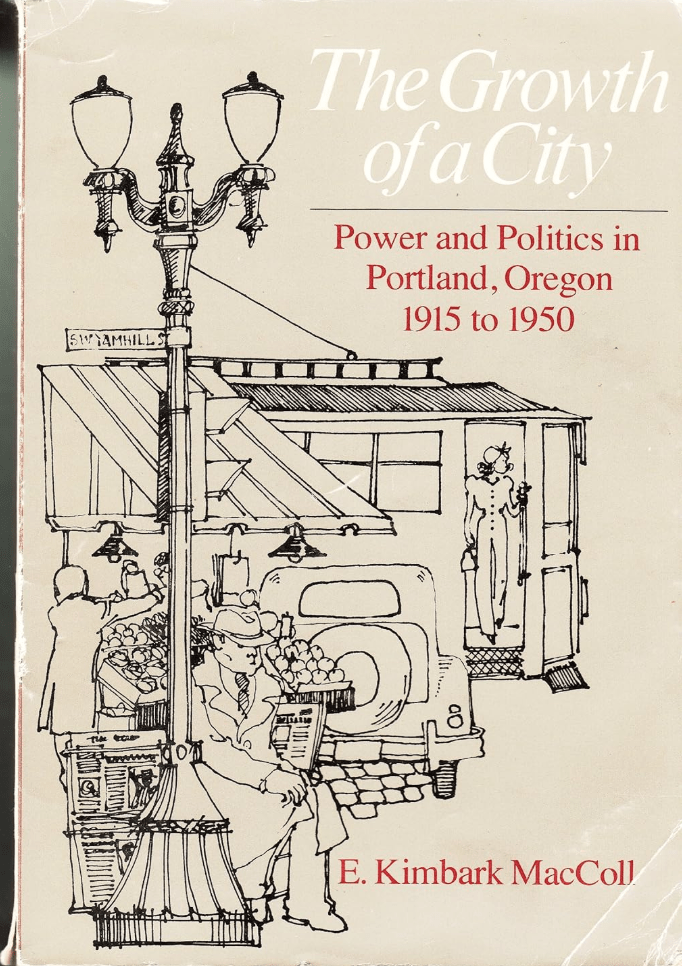
    If you’ve ever strolled through the streets of Portland, Oregon, and wondered how the city came to be the vibrant, complex place it is today, you’re not alone. Fortunately, historian E. Kimbark MacColl has done the heavy lifting for us. His acclaimed book, The Growth of a City: Power and Politics in Portland, Oregon, 1915–1950, offers a rich and revealing look into the forces—political, social, and economic—that shaped Portland during a period of dramatic transformation.

    This volume is the second in MacColl’s renowned trilogy on Portland’s political history, and it stands as a crucial chapter in understanding how the city evolved from a relatively small urban center into a major hub of the Pacific Northwest. Far from a dry recounting of dates and names, The Growth of a City dives deep into the personalities, power struggles, and behind-the-scenes decisions that influenced everything from infrastructure development to racial dynamics and labor relations.

    Whether you’re a student of history, a curious Portland resident, or someone interested in urban politics and planning, this book offers valuable insights. MacColl’s meticulous research and compelling narrative style bring early-20th-century Portland to life, highlighting both its progress and its growing pains.

    With modern cities facing many of the same issues—inequity, housing challenges, and debates over governance—The Growth of a City is more than a history lesson. It’s a lens through which we can better understand today’s political landscapes.

    Don’t miss the opportunity to explore this essential piece of Portland’s past!!

    Get it here: https://amzn.to/3HAs1MY
    Or check our Bookstore: https://vanportoregon.com/amazon-bookstore/

  • Step Back in Time with Historic Baker City, Oregon: A Journey Through the Past


    For anyone who’s ever strolled down Main Street and admired the brick storefronts or wondered about the lives behind Baker City’s grand historic homes, a new book offers the answers you’ve been looking for. Historic Baker City, Oregon, lovingly compiled by the Baker County Friends of the Library, is more than just a local history, it’s a tribute to the soul of a community.

    Through carefully selected photographs, engaging stories, and fascinating historical detail, this book captures the heart of Baker City’s past. From its booming days during the gold rush and the arrival of the railroad to its present-day charm as a preserved historic treasure, the city’s vibrant story unfolds page by page.
    A Community Effort to Preserve the Past

    Created by the dedicated volunteers of the Baker County Friends of the Library, this project reflects a deep commitment to local heritage. Proceeds from the book go directly to support the Baker County Library District, so every purchase helps preserve both history and access to knowledge.

    What You’ll Find Inside:

    -A compelling narrative written with both care and accuracy
    -Over 100 archival photos, many rarely seen before
    -Stories of local pioneers, entrepreneurs, and everyday citizens .
    -Highlights of iconic buildings and landmarks

    Whether you’re a history enthusiast, a Baker City resident, or someone who simply appreciates a well-told story, Historic Baker City, Oregon is a book to treasure.

    Where to Buy: https://amzn.to/43N6g40

    Bookstore: https://vanportoregon.com/amazon-bookstore/

  • A Look at Lost Portland, Oregon


    Portland is a city that wears its quirkiness with pride—but beneath the murals, microbreweries, and modern skyline lies a layered history that many never get to see. In Lost Portland, Oregon, author and historian Val C. Ballestrem takes readers on a fascinating tour through the city’s lost landmarks and fading architectural heritage.

    Ballestrem, a respected local historian and education manager at the Architectural Heritage Center, masterfully combines historical storytelling with rare photographs and archival material to bring the city’s past to life. The book highlights more than just demolished buildings—it paints a picture of a Portland that once was, from long-forgotten theaters and hotels to neighborhoods forever changed by urban renewal, highway construction, and shifting social priorities.

    Each chapter serves as a window into a different piece of Portland’s past. You’ll read about the grand Marquam Grand Opera House, the razed South Portland neighborhood, and other vanished spaces that were once cornerstones of the community. Ballestrem doesn’t just recount facts—he tells stories, making Lost Portland, Oregon a compelling read for anyone curious about how cities evolve, what gets preserved, and what slips away.

    This book is ideal for history buffs, architecture lovers, and Portland residents who want to better understand the city’s ever-changing landscape. It’s also a call to think about preservation—not as nostalgia, but as a way to honor the character and complexity of a city’s identity.

    Why Read Lost Portland, Oregon?

    Discover hidden stories behind well-known neighborhoods

    Learn about the city’s architectural history and changing skyline

    Explore thought-provoking discussions on preservation and progress

    Whether you’re a lifelong Portlander or a newcomer intrigued by the city’s roots, Lost Portland, Oregon is a beautifully curated journey into the heart of what once was—and a reminder of why remembering matters.

    Available now: https://amzn.to/3FH8OIY

    You may also visit our bookstore for more books: https://vanportoregon.com/amazon-bookstore/

  • Portland Then and Now


    Have you ever walked through downtown Portland and tried to imagine what the city looked like a century ago?

    Portland Then and Now pairs historic photographs with specially commissioned views of the same scenes as they look today. The book traces the evolution of Portland from the early years of photography to the present, showing how it became Oregon’s largest and most vibrant city.

    Set against the backdrop of snow-capped Mt. Hood and Mt. St. Helens, Portland’s skyline is a mixture of ultra-modern skyscrapers and elaborate Victorian structures that reveal a rich architectural heritage. Originally no more than a cluster of log structures and wood-frame buildings carved out of the dense forest, “Stumptown” soon became the Pacific Northwest’s premier freshwater port, filled with supply ships bound for the gold fields of California, but also intent on becoming a cultural center.

    This fascinating book traces the evolution of this popular tourist destination from a small town long dominated by cast-iron, terracotta and brick buildings to a city with ornate mansions, carefully designed neighborhoods, and a downtown that bespeaks pride in good city planning.

    Ready to explore Portland’s past for yourself? You can find Portland Then and Now at: https://amzn.to/4dOklCN

    Or visit our Bookstore here:
    https://vanportoregon.com/amazon-bookstore/

    Thanks for stopping by the blog — and happy reading!


  • Portland’s Dirty Little Secret: A Look Inside Portland Confidential


    When you think of Portland, Oregon, what comes to mind? Craft beer, indie bookstores, food trucks, and bike lanes? Think again.


    In Portland Confidential: Sex, Crime, and Corruption in the Rose City, author Phil Stanford rewinds the clock to the 1940s and ’50s—a time when the City of Roses was less about hipster charm and more about mob money, political payoffs, and an open secret of vice that kept the city humming.

    This isn’t just a book—it’s a time machine into Portland’s forgotten past. Through punchy prose, rare archival photos, and a storyteller’s eye for the scandalous, Stanford exposes a city controlled not by the people, but by an underworld of gamblers, madams, crooked cops, and power-hungry politicians. It’s noir nonfiction at its best—fast-paced, gritty, and almost too outrageous to be true.

    What makes Portland Confidential stand out isn’t just its exposé of crime and corruption. It’s how it forces us to rethink the myth of the “good old days.” Portland may seem squeaky clean today, but its past is anything but. And understanding that past gives us a deeper, more honest look at the city we thought we knew.

    So if you love true crime, hidden history, or just a good scandal told right, grab a copy of Portland Confidential. Trust us—this is one secret you’ll want to be in on.

    Get the book here: https://amzn.to/4jxBGRV

  • The Vanport Flood ( Images of America )


    Why Is Vanport’s Story Still Important Today?

    The book Vanport (Images of America) by Zita Podany offers a compelling visual history of Vanport, Oregon—a city that briefly thrived during World War II and was destroyed by the 1948 Columbia River flood. Part of Arcadia Publishing’s Images of America series, the book presents a collection of photographs and captions that chronicle the rise and fall of this once-vibrant community.

    Vanport was established in 1942 to house workers for the Kaiser Shipyards, accommodating over 40,000 residents in a city built in just over a year. It became Oregon’s second-largest city at the time. However, on May 30, 1948, a section of the dike along the Columbia River collapsed, leading to a devastating flood that submerged the city. The flood not only destroyed the city but also displaced its largely African American population, leaving them homeless.

    Nestled in the floodplain between North Portland, Oregon, and Vancouver, Washington, a housing project was built to help house World War II shipyard workers. Its very name, Vanport, is derived from Vancouver and Portland. When the United States entered the war, the demand for ships and for workers to build those ships became a huge priority. Workers were recruited from all corners of the United States. Portland had a serious lodging shortage, so much so that these workers lived in cars, tents, parks, and whatever shelter could be found. Vanport, built in a little over a year to house them, was a city that did not sleep. In its heyday, Vanport was the second-largest city in Oregon with a population of over 40,000 residents. It was a city with many firsts. It was a city that touched many lives in a very short period of time. And on May 30, 1948, it was a city that disappeared just as quickly as it came into existence, leaving a legacy that will not soon be forgotten.

    📚 Interested in diving deeper into Vanport’s history?
    You can find the book here: https://amzn.to/4kGntmz

    Thanks for reading, and feel free to share this post with anyone who loves discovering hidden pieces of American history.

  • A second opinion is a prudent choice


    ac174fab-adbc-4c3c-aa2a-52efe5b77ba9.jpg

    Getting pre-approved for a mortgage is a vital step in the homebuying process. While many buyers rely on online calculators or their first pre-approval offer, these tools and initial approvals might not always provide the best options. If you’re serious about making a smart financial decision, seeking a second opinion from a trusted mortgage officer is a step worth taking.

    Why a Second Opinion Matters

    Your first pre-approval might feel like a green light to move forward, but it’s important to remember that not all lenders offer the same terms. A second opinion could uncover better interest rates, saving you thousands of dollars over the life of your loan. Additionally, it might provide access to unique loan programs tailored to your financial needs or even reveal ways to reduce upfront fees.

    Benefits Beyond the Numbers

    Working with a second mortgage officer can also lead to better service. A recommended professional often offers personalized guidance, quicker closing times, and local market-specific expertise. These advantages not only ease the stress of buying a home but can also make you a stronger contender in competitive markets.

    Flexibility and Peace of Mind

    Sometimes, a second lender may offer greater flexibility with credit scores or loan terms. This can be especially valuable if your financial situation isn’t straightforward. Ultimately, knowing you’ve explored all your options gives you confidence that you’ve secured the best deal possible.

    Addressing Concerns About Credit Scores

    Many buyers worry that seeking a second opinion could negatively impact their credit score due to an additional inquiry. However, credit bureaus treat multiple mortgage inquiries within a short time frame�usually 14-45 days�as a single inquiry, so your score is unlikely to be affected. Additionally, the costs associated with getting a second opinion are often minimal or negligible, especially when compared to the potential savings from better rates, lower fees, or improved loan terms. Taking this step is a low-risk, high-reward move that ensures you’re making the most informed financial decision.

    Take the Next Step

    Choosing the right mortgage is just as important as choosing the right home. Don’t settle for the first pre-approval without ensuring it’s the best fit for you. Ask your real estate agent for a recommendation of a trusted mortgage officer who can provide you with a thorough and professional second opinion. It’s a simple step that could make a significant difference in your home buying journey!

  • Thoughtful Questions Can Guide Your Decision


    a285318d-7b83-498d-97a1-b0260678f863.jpg

    When interviewing real estate agents to sell your home, asking the right questions is key to finding an agent who will best meet your needs. The process of selling a home can be complex, and the right agent will not only have the experience and market knowledge but also the right approach to guide you through every step.

    By asking insightful questions, you can gauge an agent’s expertise, communication style, and understanding of your goals, ultimately helping you choose someone who will work tirelessly to achieve the best possible outcome for you.

    Here are 25 common questions homeowners often ask when interviewing a real estate agent to sell their home:

    1. What is your experience in real estate, and how long have you been working in this area?
    2. How many homes have you sold in the past year?
    3. What is your average sale-to-list price ratio?
    4. How familiar are you with my neighborhood?
    5. How do you determine the listing price for a home?
    6. What are the current market trends, and how will they impact my home’s sale?
    7. Can you provide references from past clients?
    8. What is your marketing strategy to sell my home?
    9. Do you use professional photography, staging, or virtual tours?
    10. Will you host open houses? If so, how many and when?
    11. How will you keep me updated throughout the selling process?
    12. What online platforms and social media channels will you use to promote my home?
    13. What do you think are the unique selling points of my home?
    14. How do you handle multiple offers?
    15. What is your strategy for negotiating the best price for my home?
    16. What is your commission rate, and what services does that include?
    17. Are there any additional fees I should be aware of?
    18. What steps do I need to take to prepare my home for sale?
    19. How long do you expect it will take to sell my home?
    20. What challenges do you anticipate in selling my home?
    21. Can you provide a comparative market analysis (CMA) for my home?
    22. How do you handle a situation where my home isn’t getting offers?
    23. What happens if I’m not satisfied with your service? Can I cancel the contract?
    24. Do you work alone, or do you have a team?
    25. What sets you apart from other agents? Why should I choose you?

    Answers to these questions will help homeowners understand an agent’s expertise, marketing approach, negotiation skills, and overall fit with their needs. For more information, download our Sellers Guide.

  • Avoiding tax when you sell your home


    9fe0b63f-d6be-4e88-b3f4-4ed92cac9157.jpg

    In the past, many homeowners didn’t give much thought to keeping detailed records of home improvements. With capital gains exclusion thresholds of $250,000 for single filers and $500,000 for married couples, most homeowners didn’t come close to exceeding these limits when selling their homes.

    As a result, they often overlooked the importance of tracking and documenting their expenditures on property improvements. However, the landscape has shifted significantly in the last decade.

    The rapid appreciation of home values has pushed many homeowners into a position where they might exceed the capital gains exclusion threshold and owe taxes on their profit. By understanding what qualifies as a capital improvement and maintaining accurate records, homeowners can increase their adjusted basis, thereby reducing their taxable gain when selling their property.

    What Counts as Capital Improvements?

    Capital improvements are expenditures that add value to your home, prolong its useful life, or adapt it to new uses. These are not limited to big-ticket items like kitchen remodels or room additions, installing energy-efficient windows, replacing a roof, or upgrading HVAC systems.

    Even landscaping improvements, building a deck, or adding a fence can qualify, as well as replacing a faucet, adding a video doorbell or other smart devices in the home. The key is that these improvements must be permanent and add to the property’s value.

    Why Keeping Records Matters

    Every dollar spent on a capital improvement adds to the cost basis of your home. The cost basis is used to calculate your capital gain, which is the difference between your home’s net sale price and its adjusted basis (original purchase price plus improvements). By increasing your cost basis, you can reduce the taxable portion of your profit, potentially saving thousands of dollars in capital gains taxes.

    To maximize these benefits, it’s crucial to keep receipts, invoices, and other documentation for all qualifying expenditures. Create a folder�physical or digital�to organize these records and ensure they’re readily available when it comes time to sell your home.

    Why This Matters Now

    In the last decade, home prices have appreciated at an unprecedented pace. Inventories are smaller and demand is high causing the prices to increase. This rapid growth means more homeowners may find themselves exceeding the capital gains exclusion thresholds.

    By properly documenting capital improvements, homeowners can mitigate their tax burden and retain more of their hard-earned equity. As home prices continue to rise, understanding and utilizing these strategies has never been more important.

    For more information, consult your tax professional and download our Homeowners Tax Guide or IRS Publication 523.

  • Homeownership is more about its future value


    21c7488f-51f7-4ad5-b9f0-3e955a048c58.jpg

    When it comes to housing, the debate between owning and renting often boils down to finances. While renting may offer short-term flexibility, homeownership provides significant financial benefits that renters miss out on. From appreciation to building equity and increasing your wealth, owning a home is an investment in your future.

    One of the most compelling financial reasons to own a home is appreciation. Over time, real estate tends to increase in value, allowing homeowners to build wealth simply by holding onto their property. This appreciation means that what you buy today could be worth significantly more in the future, boosting your financial portfolio.

    Equity building is another powerful advantage of homeownership. Each mortgage payment you make reduces your loan balance, effectively transferring more of the property’s value to you. Unlike rent, which disappears into a landlord’s pocket, your mortgage payments help you own more of your home every month.

    Early payments may be interest-heavy, but over time, a larger portion goes toward the principal. This gradual payoff increases your ownership stake and creates a form of forced savings that builds wealth over the long term.

    Homeowners can deduct mortgage interest and property taxes, but many currently take advantage of the higher standard deduction introduced by the Tax Cuts and Jobs Act of 2017 instead of itemizing. However, future changes to tax laws�such as an increased limit on property tax deductions�could make itemizing more beneficial for homeowners. These savings can make owning a home even more affordable than renting.

    A fixed-rate mortgage offers payment stability, a stark contrast to rising rents in competitive markets. While rent increases can strain your budget, a fixed mortgage ensures predictable housing costs, giving you long-term financial security. This stability is a significant financial advantage, especially for families planning for the future.

    While the financial benefits are compelling, owning a home also offers practical and emotional advantages. The ability to customize your living space, establish roots in a community, and build generational wealth makes homeownership an appealing choice. These perks enhance the financial rewards, creating a lifestyle that renting rarely matches.

    Owning a home is more than just a place to live�it’s an investment in your financial future. With appreciation, equity building, and tax benefits working in your favor, homeownership offers a path to long-term wealth and stability. When paired with emotional and lifestyle benefits, it’s clear why owning a home is often better than renting.

    To see a personal projection of how homeownership could benefit you financially, check out our Rent vs. Own analysis. We’d love to get together to talk about it with you.

  • Exploring the iBuyer Option: Convenience vs. Equity


    d6aecf15-ff2b-4ccf-9dff-4d5a3ca95dd7.jpg

    In today’s fast-paced real estate market, homeowners are increasingly considering alternative selling methods. One option gaining traction is selling to an iBuyer company. These tech-driven real estate firms offer a quick, streamlined process for homeowners looking to sell their properties. But like any major financial decision, selling to an iBuyer comes with its own set of advantages and disadvantages. Let’s explore the key factors to consider when weighing this modern selling approach against traditional methods.

    Pros of Selling to an iBuyer

    Speed and Convenience – iBuyers have revolutionized the selling process by offering remarkably fast transactions, often closing within 10-14 days. This rapid turnaround is a game-changer for sellers who need to relocate quickly or want to avoid the prolonged process of traditional home selling. It’s particularly appealing for those facing time-sensitive situations like job transfers or family emergencies.

    Simplified Process – The iBuyer model has transformed the home selling experience into a predominantly online transaction. This digital approach eliminates the need for time-consuming tasks such as staging, hosting open houses, and accommodating multiple showings. For sellers who value privacy or have hectic schedules, this streamlined process can be a significant relief, allowing them to sell their home with minimal disruption to their daily lives.

    Cash Offers – One of the most attractive features of iBuyers is their ability to make all-cash offers. This financial flexibility can be a crucial advantage for sellers who need immediate liquidity or are looking to make a contingency-free offer on their next home. Cash offers also typically mean faster closings and fewer potential complications, providing sellers with a higher degree of certainty in their transactions.

    As-Is Purchase – iBuyers often purchase homes in their current condition, without requiring sellers to make repairs or upgrades. This feature can be particularly beneficial for homeowners with properties in less-than-perfect condition or those who lack the time or resources to prepare their home for traditional market listing. It allows sellers to avoid the stress and expense of pre-sale renovations, which can be substantial in some cases.

    Cons of Selling to an iBuyer

    Lower Sale Price – While iBuyers offer convenience, it often comes at a cost. These companies typically offer below-market prices for homes, with sellers potentially receiving less than they might through traditional methods. This pricing strategy allows iBuyers to quickly resell properties for a profit, but it means sellers may be leaving money on the table. In hot markets or for unique properties, this difference could be even more significant.

    Higher Fees – The convenience of iBuyer services often comes with higher transaction fees compared to traditional real estate commissions. These fees can reach up to 13% of the home’s price, significantly eating into the seller’s proceeds. While traditional real estate commissions typically range much less, iBuyer fees encompass various services and risk factors, resulting in a higher overall cost to the seller.

    Limited Negotiation – iBuyers rely heavily on computerized models to determine offer prices, leaving little room for negotiation. This approach means sellers are often presented with a take-it-or-leave-it offer, unlike in traditional sales where there’s often back-and-forth between buyers and sellers. For homeowners who believe their property has unique value or features that an algorithm might not capture, this lack of flexibility can be frustrating.

    Lack of Representation – When selling to an iBuyer, homeowners forgo the personalized guidance and local market expertise that comes with working with a real estate agent. While this might appeal to some, others may miss the nuanced advice and emotional support that an experienced agent can provide throughout the selling process. This lack of personal interaction and the fiduciary relationship with an agent can be particularly challenging for first-time sellers or those dealing with complex property situations.

    Availability Limitations – iBuyer services are not universally available and often have specific criteria for the homes they purchase. This limitation means that many homeowners, particularly those in rural areas or with unique properties, may not have access to this selling option. Additionally, iBuyers typically focus on homes within certain price ranges and conditions, further restricting their availability to a subset of the market.

    While selling to an iBuyer offers undeniable convenience in terms of time and effort, it’s crucial for homeowners to recognize the financial trade-offs involved. The streamlined process and quick closing can be attractive, especially for those in time-sensitive situations.

    However, the convenience often comes at the cost of a discounted sale price, potentially resulting in sellers not realizing the maximum equity from their homes. Homeowners must carefully weigh the value of a faster, easier sale against the possibility of a higher return through traditional methods.

    Ultimately, the decision should align with the seller’s specific circumstances, financial goals, and market conditions. For those prioritizing top dollar over speed, working with a skilled real estate agent to navigate the traditional market might be the better choice to maximize their home’s value.
  • Understanding Mortgage Fraud Red Flags


    0674c780-6d96-4d42-9d3c-a03cd1192350.jpg

    During crises, whether natural or personal, the risk of scams and fraud increases. While many organizations can assist you with financial difficulties or foreclosure, it’s crucial to ensure you’re dealing with a reputable entity before proceeding.

    Always research any unsolicited offers for help. Protect yourself by asking questions, thoroughly reviewing provided materials, and avoiding solicitations that demand upfront payments.

    • A company/person asks for a fee in advance to work with your mortgage company to modify, refinance or reinstate your mortgage.
    • A company/person guarantees they can stop foreclosures or get your loan modified.
    • A company/person advises you to stop paying your mortgage company and pay them instead.
    • A company pressures you to sign over the deed to your home or sign any paperwork that you haven’t had a chance to read, and you don’t fully understand.
    • A company other than your mortgage company claims to offer "government-approved" or "official government" loan modifications.
    • A company/person you don’t know asks you to release personal financial information online or over the phone.

    Here are some common predatory scams and other potential traps to watch out for:

    • "Call spoofing" scams: Caller ID or phone "spoofing" occurs when a caller deliberately falsifies the information transmitted to your caller ID in an effort to disguise their identity while pretending to be someone else … often in order to get you to share your personal information over the phone. Learn more.
    • Foreclosure rescue fraud: In this scheme, someone may offer false promises of being able to save your home from foreclosure or guarantee a loan modification with a reduced mortgage payment. Learn more.
    • Title scams: When someone offers to give you a loan or fast cash in exchange for taking over your mortgage and title. They may allow you to remain in your home as a renter and promise you that you can buy the home back once you are on your feet, but once the deed is transferred, there’s no guarantee that you’ll ever own the home again.
    • Post-disaster insurance scams: In the wake of a disaster, someone may offer you money immediately in exchange for money you will get later from the insurance company. You end up getting much less from the individual than the insurance company actually would have paid you or your home repair contractors directly.

    If you suspect you are a victim of mortgage fraud or spoofing scams against your home, you should contact the Federal Trade Commission (FTC), your local police department, and the FBI’s Internet Crime Complaint Center (IC3), or call 1-888-995-HOPE (4673) to report it immediately.

  • A unique opportunity for homebuyers this spring


    46592ca2-c66a-4d06-808d-98c94fbf58c9.jpg

    The spring season presents a unique opportunity for savvy homebuyers to get ahead in the market. While many are waiting on the sidelines for rates to drop, those who act now can reap significant benefits.

    Recent market trends show that inventory levels and new listings have increased, offering a wider selection of homes for buyers. This temporary lull in competition means you have more negotiating power and time to find your perfect home without the pressure of bidding wars.

    By purchasing now, you’re not just securing a home; you’re making a smart investment. Even if current mortgage rates are slightly higher, you’re locking in today’s home prices before they potentially rise more. Remember, you can always refinance when rates decrease, but you can’t go back in time to buy at today’s prices.

    Moreover, by acting now, you’ll be settled into your new home while others are still waiting and watching. You’ll have the advantage of enjoying your space, building equity, and potentially benefiting from any market upswings.

    Don’t let this opportunity pass you by. The best time to buy a home is when you’re ready, and the current market conditions are favorable for those willing to make a move. Secure your future today and get ahead of the crowd … your dream home is waiting!

    While the seasonal trends in real estate are important to consider, recent market developments have added another layer of complexity to the homebuying landscape.

    In late August and early September, we saw a sudden improvement in mortgage rates, which prompted many buyers who had been waiting on the sidelines to re-enter the market. This surge in activity was immediate and significant, demonstrating the pent-up demand that exists among potential homebuyers.

    September brought some positive news, with Realtor.com’s "Monthly Housing Market Trends Report" showing increased inventory levels and more new listings year-over-year. However, this optimism was short-lived. October saw a sharp decline in new listings month-over-month, and the average time homes spent on the market increased to nearly two months … the slowest October in five years.

    The spike in rates during October caused many buyers to retreat once again. As a result, market activity slowed considerably, with homes staying on the market longer and inventory levels rising.

    These recent fluctuations underscore the importance of being prepared and ready to act when market conditions are favorable. While waiting for the perfect moment, you might miss out on opportunities. Remember, you can always refinance your mortgage in the future if rates improve, but you can’t go back in time to purchase at today’s prices if they continue to rise.

    For those considering buying a home, it’s crucial to work with a knowledgeable real estate professional who can help you navigate these market dynamics and identify the best opportunities, regardless of the season or current rate environment.

    Download the Homeownership Today report that presents a case that acting now may be better than waiting.